
Barcelona and The Gospel of Johan
Cruyff didn't care about religion. Barça made him into one.

On the 7th July 1974, Germany (then known as West Germany) won their second ever World Cup with a 2-1 victory over arch rivals the Netherlands on home soil in Berlin. About 300 miles away, in a small village in Baden-Württemberg, a nine-year-old Hansi Flick was almost certainly celebrating.
A Bayern fan, Flick’s childhood favourite was Gerd Müller, the man who scored that day in Berlin (and on a lot of other days) to sink Dutch hearts. That team had a very clear influence on Flick’s life. Jupp Heynckes, a substitute that day, would later manage Flick the player for three seasons at Bayern, winning two Bundesliga titles in the process. Attacking midfielder Uli Hoeneß would later become the club president who hired Flick, first as assistant, then as Bayern manager. This generation of German footballers were the people who helped open doors for him. Flick is the next generation carrying their legacies.
Yet all these years later, he has completely swapped sides from that day in 1974, fully renounced the faith and become a cardinal at the Church of Johan Cruyff.
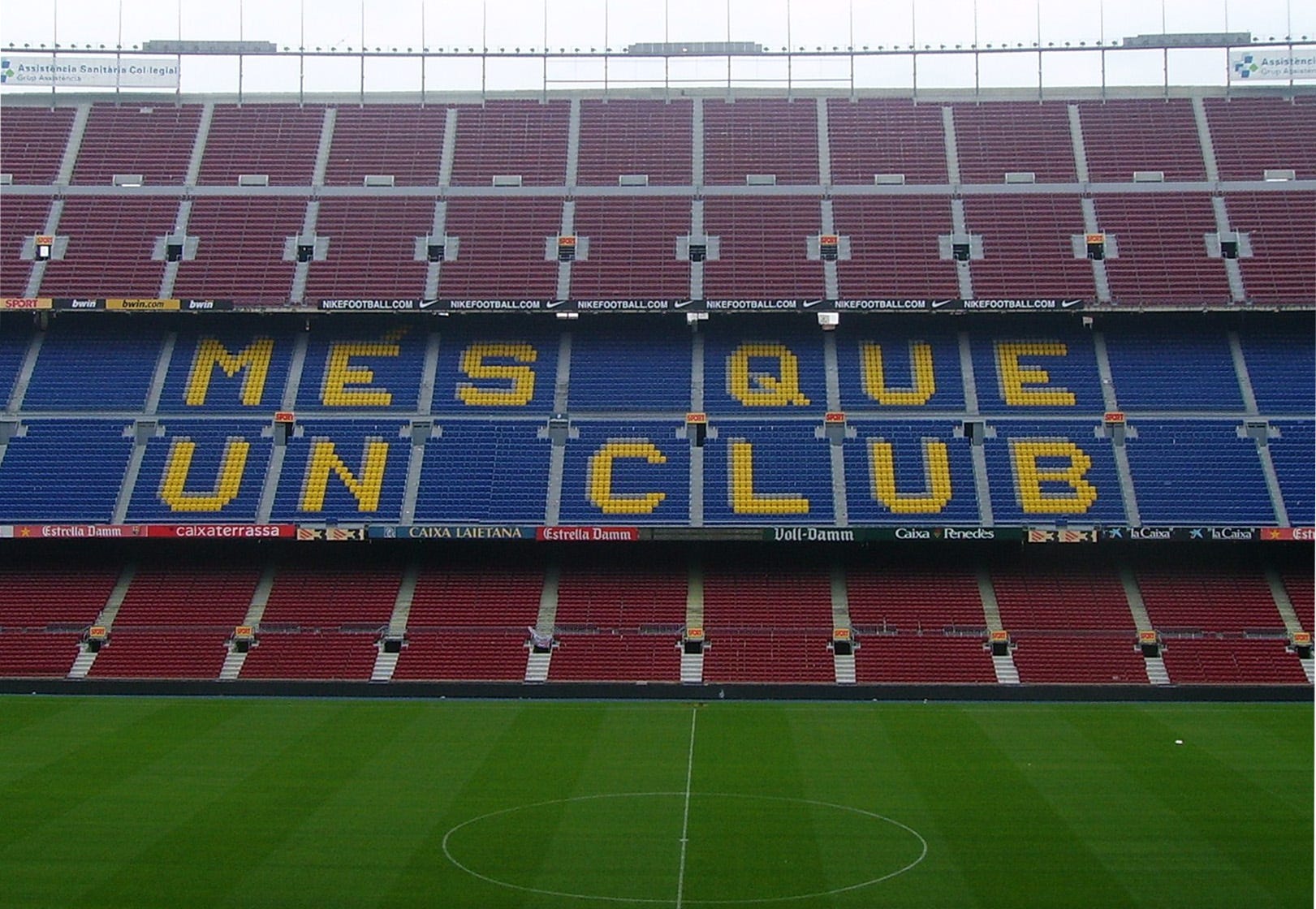
“Cruyff painted the chapel”, Pep Guardiola famously said, “and Barcelona coaches since merely restore or improve it”. It’s fairly obvious that Cruyff was a huge part of what we now call the Barcelona philosophy, but that’s not what sticks with me about Guardiola’s quote. What sticks with me is the religious comparison. Like most larger Western cities, Barcelona as a place is increasingly metropolitan, with surveys suggesting only about half the population identify as Catholic today. But the city has a long history of Catholicism, which means, inevitably, major institutions get built in the image of the Catholic Church.